

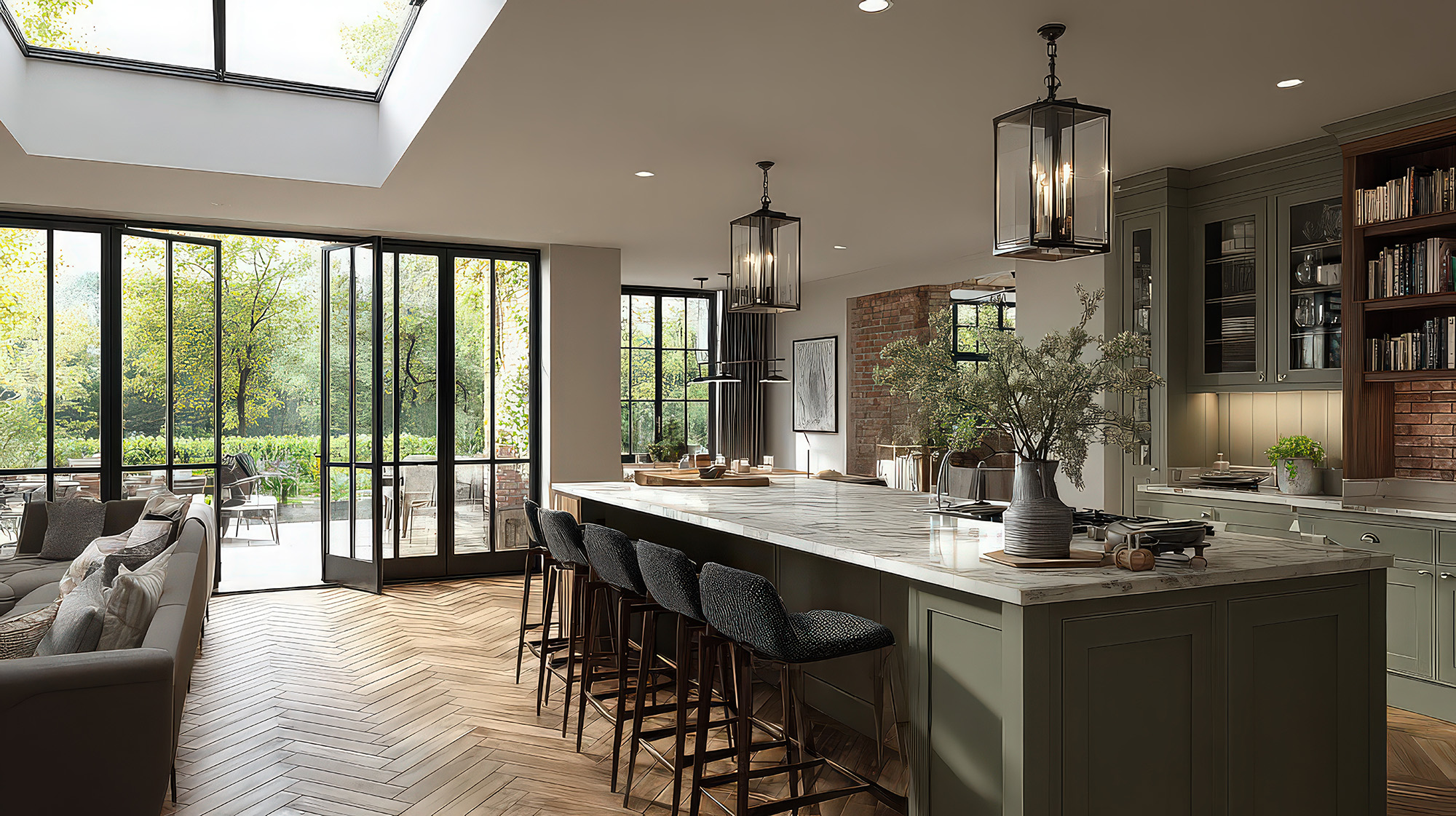
Investing in new hardwood floors transforms the look and feel of your living space, adding immediate warmth and long-term value. However, standing in front of showroom displays quickly reveals that today's hardwood market is divided into two distinct construction styles. Choosing between traditional solid planks and modern engineered options can feel a bit overwhelming when you are trying to balance visual style with daily performance. Understanding how each option reacts to foot traffic, subfloors, and seasonal moisture levels ensures you select a floor that stays flawless for decades.
The Structural Difference Under the Surface
Solid hardwood planks are exactly what the name implies. Cut directly from a single, continuous piece of timber, each board features uniform wood composition from the top surface straight down to the subfloor. This traditional manufacturing style delivers a highly resilient floor with a classic feel, but it also means the entire plank reacts naturally to the surrounding environment.
Engineered hardwood utilizes an entirely different manufacturing approach designed to maximize stability. Manufacturers bond multiple layers of real wood together in a cross-grain configuration, layering them under intense heat and pressure to form an incredibly sturdy core. A thick slice of genuine, premium hardwood sits on top of this multi-ply base, providing the exact same premium look and feel as a solid board. The alternating directions of the internal wood layers work together to counteract the natural tendency of timber to twist, warp, or move when environmental conditions change.
Comparing Durability, Lifespan, and Refinishing Potential
If longevity is your top priority, solid wood offers an unmatched advantage because of its thick wear layer. You can sand down and refinish a solid hardwood floor multiple times over its lifespan, allowing future generations to completely erase decades of deep scratches, scuffs, or outdated stain colors. This makes solid options an exceptional choice for historic homes or properties where you want the flooring to last for a century.
Engineered options also offer excellent durability, but their refinishing potential depends entirely on the thickness of that top real-wood layer. High-quality engineered planks can typically undergo a professional sanding and refinishing process once or twice over their lifetime. When it comes to resisting daily wear, surface scratches, and minor dents from busy pets or heavy furniture, both styles perform equally well because scratch resistance is determined by the tough factory finish applied to the top surface, not by the design underneath.
Installation Locations and Subfloor Requirements
Engineered hardwood provides incredible versatility when you are dealing with challenging architectural spaces or tricky moisture environments. Because its cross-ply core resists expanding and contracting, you can safely install engineered flooring on concrete slabs, over radiant heating systems, and in below-grade spaces like walk-out basements. This structural resilience means you can achieve a cohesive, continuous hardwood look across your entire home layout without worrying about moisture seeping up from the ground underneath.
Solid hardwood requires a much more controlled environment to perform well over time. You must install solid planks on or above ground level, and they must secure directly to a wooden subfloor rather than sitting right on top of concrete. Because solid wood expands significantly when it encounters dampness, installing it in a basement or over a humid crawlspace can quickly lead to cupped edges and ruined layouts.
Making the Right Choice for Your Pennsylvania Household
Choosing the perfect fit ultimately comes down to matching your property's layout and your family's lifestyle with the right material capabilities.
Select solid hardwood if: You are flooring above-ground spaces, prefer a traditional nail-down installation, and want a generational floor you can completely sand and refinish multiple times.
Select engineered hardwood if: You want to install wood in a finished basement, have concrete subfloors, plan to install over radiant heat, or want wider planks that remain stable during muggy summer months.
View Our Hardwood Collections in Person
Seeing the physical construction of these planks and running your hands over the different grain patterns makes choosing between solid and engineered styles incredibly straightforward. Comparing the two materials side by side gives you total confidence in your home improvement investment.
Visit us at our Wyomissing showroom on Berkshire Boulevard to explore a massive variety of hardwood options perfect for your home layout in Spring Township, West Reading, or Sinking Spring. If you live closer to Pottstown, Birdsboro, or Amity Township, visit us at our Douglassville showroom on Maplewood Drive, where our team can help you select the exact right hardwood structure for your upcoming project.


