

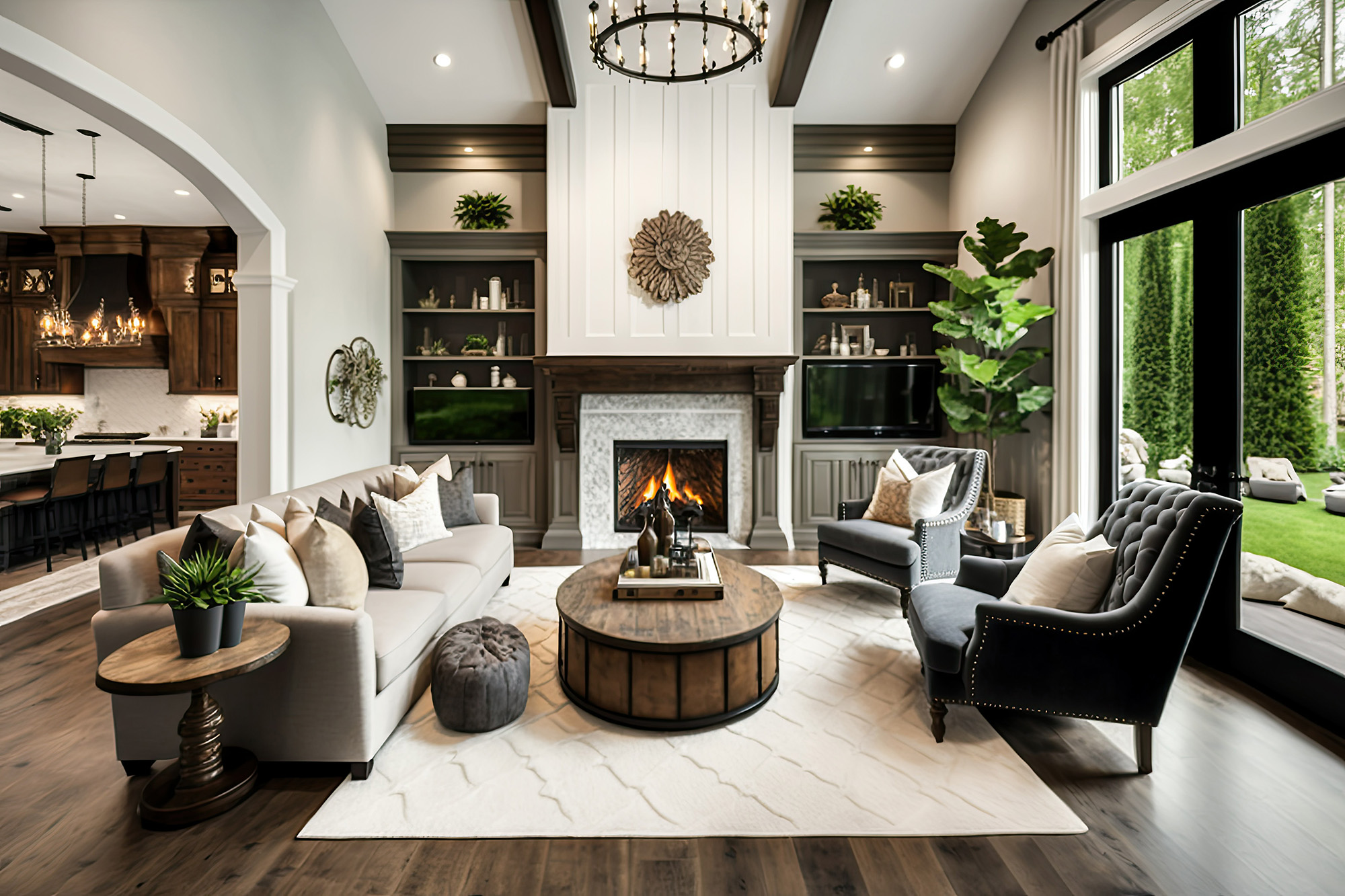
Laying down a beautiful area rug is the perfect way to anchor a room, add a splash of color, and introduce cozy texture underfoot. For many households, rugs are also a proactive way to protect high-traffic areas from daily wear and tear. However, placing a rug directly onto a newly finished hardwood floor can actually cause severe, hidden damage over time if you do not use the right protective barrier underneath. Slipping a high-quality pad between your rug and your floorboards preserves your home improvement investment, keeping your wood surfaces flawless for decades.
The Hidden Threat Beneath Beautiful Area Rugs
Unprotected rugs present a dual threat to fine wood finishes through mechanical wear and chemical reactions. Everyday foot traffic causes an unanchored rug to constantly shift, slide, and bunch up across the floor. This continuous movement acts like sandpaper, grinding microscopic dirt particles, pet dander, and outdoor grit deep into the protective topcoat of your hardwood. Over months of walking, this friction dulls the shine of your floor and leaves behind permanent scuff patterns.
The greater danger, however, comes from the chemical composition of cheap backing materials. Many low-cost rugs and pads use synthetic adhesives or plastics that undergo a process called plasticizer migration. In plain terms, this means the chemicals used to keep the backing flexible slowly leach out over time, reacting directly with the polyurethane finish on your floorboards. This chemical reaction can permanently discolor the wood, turn the finish yellow, or leave a sticky, dull grid pattern that cannot be washed away.
Rug Pad Materials That Safeguard Your Investment
Natural Rubber Pads
Natural rubber stands out as the ultimate choice for keeping runners and small rugs firmly in place. Derived directly from tree sap, natural rubber provides exceptional non-slip grip without utilizing dangerous chemicals or oils. It contains no synthetic fillers that will break down, ensuring it never sticks to, stains, or reacts with your hardwood finish. Because these pads are low-profile, they keep your rugs sitting flush with the floor, preventing trip hazards in busy hallways.
Felt and Rubber Combinations
For larger area rugs in living rooms or dining spaces, a hybrid pad combining dense felt with a natural rubber backing offers the ideal balance of protection and comfort. The top felt layer is heat-pressed to create a soft, fibrous surface that grabs the weave of your rug, adding luxurious cushioning and excellent acoustic dampening. Beneath the felt, a textured natural rubber base ensures the entire assembly stays locked to the floorboards without any sliding or scratching.
100% Felt Pads
When you are anchoring an exceptionally large, heavy rug with heavy furniture like sofas or beds, slipping or sliding is rarely a concern. In these scenarios, a thick, one-hundred percent felt pad is an excellent option. Made from recycled wool or synthetic fibers, these dense cushions protect your wood from deep pressure dents caused by heavy furniture legs while providing maximum comfort underfoot.
Materials to Avoid at All Costs
Protecting your investment means staying completely away from cheap, waffle-textured plastic pads typically sold in big-box home stores. These products are manufactured using polyvinyl chloride, a cheap plastic commonly known as PVC. To make these hard plastic grids soft and sticky, manufacturers load them with chemical plasticizers. The heavy weight of your rug accelerates how fast these chemicals leach into your floor, often leaving a permanent, melted grid pattern embedded directly in your wood's surface.
You must also avoid using any padding that relies on sticky adhesives or double-sided tape to stay in place. While these products stop rugs from sliding in the short term, the chemical glues dry out, harden, and bond permanently with the wood grain. Trying to pull up an old adhesive mat can rip the protective finish right off your planks, requiring an expensive localized repair.
Selecting the Right Padding for Your Household Layout
Tailoring your padding choice to the specific layout of your home keeps your living spaces safe and functional.
For busy hallways and entryways: Opt for slim, low-profile natural rubber pads under your runners to prevent sliding on quick turns without creating a lifting hazard.
For cozy family rooms and bedrooms: Choose a thick felt and rubber combination pad to maximize sound absorption, retain warmth, and give your family a plush surface to relax on.
Talk to Our Flooring Experts Today
Ensuring your new hardwood floors remain stunning through every change of season requires thinking about what goes on top of your wood just as much as the planks themselves. Selecting the right accessories guarantees your home improvement project looks spectacular for generations.
Visit us at our Wyomissing showroom on Berkshire Boulevard to see our high-quality flooring accessories and explore options for properties in Spring Township, West Reading, and Sinking Spring. If you live closer to Pottstown, Birdsboro, or Amity Township, visit us at our Douglassville showroom on Maplewood Drive, where our dedicated team will help you find the perfect protective solutions for your home.


